Upgrade Your Attic: How Rooflights Can Enhance Value and Natural Light
Converting an attic with rooflights provides an opportunity to boost both light and space. The installation of these features not only lightens the environment but also adds substantial value to a property. As natural light enhances mood and energy efficiency, it becomes clear that rooflights can revolutionize underutilized areas. Yet, the selection of rooflight and design can be crucial. What aspects should one bear in mind when initiating this project?
The Reasons to Select Rooflights for Your Attic Transformation
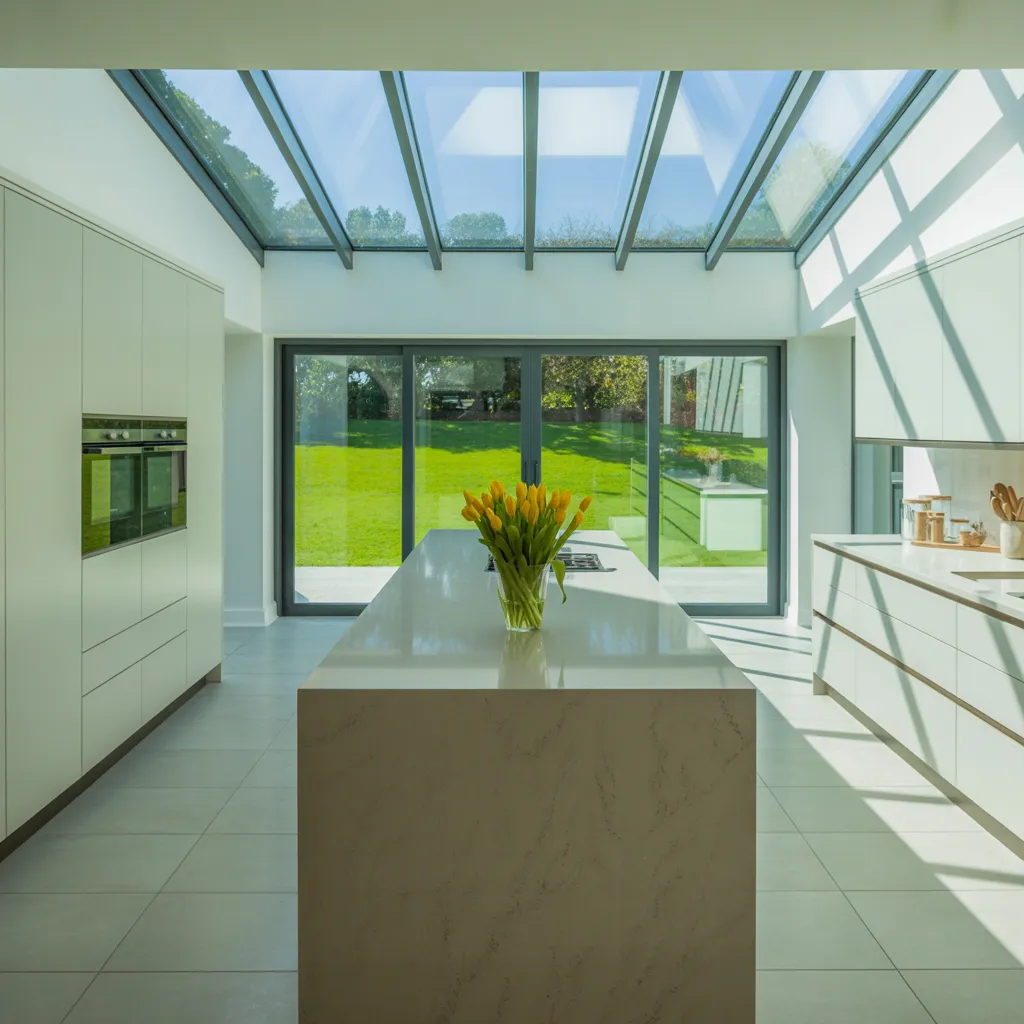
Why choose rooflights for an attic transformation? Rooflights act as a key element in turning an underused attic into a lively, purposeful space. They considerably increase the flow of natural light, producing an open, refreshing environment that can greatly enhance the overall appearance and atmosphere. This surge of daylight not only enhances wellbeing but also contributes to lowering the need for artificial lighting, encouraging greater energy efficiency.
Furthermore, rooflights can raise a property's worth. Potential buyers often look for homes with well-lit spaces, making an attic conversion more enticing. The well-planned placement of rooflights can also offer stunning views of the sky, adding a special charm to the attic.
In addition, rooflights facilitate ventilation, optimizing air circulation and preserving a agreeable environment. In summary, integrating rooflights into an attic transformation is a wise choice that unites beauty, energy efficiency, and improved property value.
Various Types of Rooflights: Choosing the Right One?
Selecting the most suitable type of rooflight can considerably influence the overall success of an attic conversion. Several options are on offer, each offering distinct benefits. Fixed rooflights are popular for their ease of use and effectiveness in lighting up spaces, while opening rooflights offer ventilation together with natural light, enhancing air quality. For those desiring a modern appeal, skylights come in a wide range of designs and materials, permitting customization to match the attic's appearance.
Dome skylights, often used for level rooftops, are effective for optimizing natural light intake and can be configured in various arrangements. Additionally, tube rooflights are perfect for narrow spaces, guiding daylight through reflective tubes. When choosing a rooflight, factors including the size, direction, and attic configuration are essential. Ultimately, the right choice not only enhances the room's natural light levels but also supports its overall functionality and appeal.
How Natural Light Impacts Well-Being
Natural light plays a crucial role in boosting overall well-being. Natural light exposure has been associated with better mood and higher energy levels. Research indicates that natural light can greatly affect mental health, diminishing symptoms of anxiety and depression. By flooding spaces with sunlight, individuals often notice an increase in serotonin production, which contributes to feelings of happiness and calmness.
Furthermore, natural light assists with the control of circadian rhythms, promoting better sleep patterns. This natural synchronization fosters a perception of equilibrium and revitalization, which is essential for general well-being. In areas such as attics, incorporating rooflights can maximize exposure to sunlight, creating a more inviting and soothing environment. The cognitive benefits of natural light go beyond simple visual appeal, affecting both productivity and creative thinking. Thus, upgrading living spaces with rooflights can positively influence an individual's mental and physical wellness.
How Rooflights Boost Your Property Value
Fitting rooflights into an attic transforms the space into a bright, airy retreat that can greatly increase the value of a property. By allowing natural light to flood in, rooflights enhance the overall appeal of a home, making it more appealing to prospective buyers. This feature not only establishes a more welcoming environment but also underscores the usable space that an attic can deliver.
Homebuyers often seek properties with unique features that differentiate themselves from the competition. Roof windows can function as a key design element, showcasing architectural design and enhancing the visual appeal. Furthermore, naturally lit areas frequently seem bigger, consequently increasing the perceived living space of the residence.
In addition, energy savings can be achieved through the incorporation of modern rooflight designs, which could attract green-conscious property buyers. Ultimately, the addition of roof lights reimagines a previously unused space into a desirable living space, adding significantly to a property's appeal and resale value.
Innovative Design Concepts for Your Attic Area
When exploring unique design approaches for attic spaces, distinctive lighting options can significantly improve the atmosphere. Moreover, transforming the area into versatile areas enables greater utility, accommodating various activities. A cozy reading nook can offer a wonderful sanctuary, merging practicality with aesthetics.
Custom Lighting Solutions
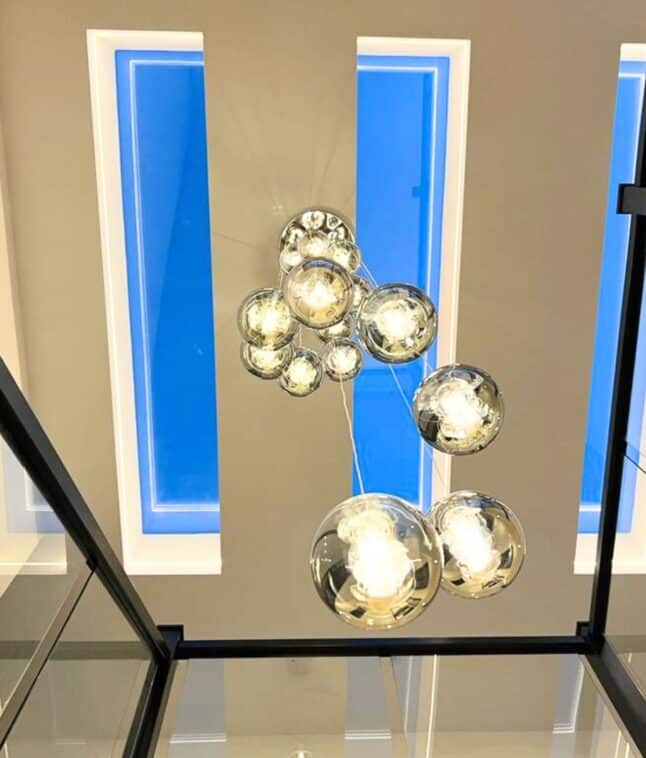
In what ways can creative lighting convert an attic into an inviting sanctuary? By implementing creative lighting strategies, homeowners can greatly enhance the ambiance and functionality of their attic spaces. Thoughtful installation of LED strip lights along beams or shelves can generate a warm, appealing radiance, as pendant fixtures can function as impressive visual anchors. Skylights not only provide natural light but also make spaces feel larger and more open. Adding dimmable lighting options provides adaptable brightness control, enabling users to adjust the mood according to the time of day or occasion. Additionally, using decorative lamps or wall sconces can add personality, transforming the attic into a comfortable retreat. Ultimately, thoughtful lighting design elevates the aesthetic appeal and usability of the attic.
Flexible Living Spaces
Forward-thinking lighting options not only elevate the atmosphere of an attic while also set the stage for inspired design choices. Through the use of quality rooflights, attics have the potential to evolve into versatile areas that cater to multiple purposes. For instance, a light-filled, open environment can function as a home office during the day, while warm, flexible lighting can craft a cozy entertainment area in the evening. Incorporating versatile furniture makes possible easy reconfiguration, supporting activities ranging from fitness routines to entertaining family evenings. Through combining practicality with visual appeal, a well-designed attic space can maximize utility without compromising style. Therefore, the possibilities for transformation are limited only by imagination, positioning attics as prized features of contemporary residences.
Charming Reading Spaces
Designing a comfortable reading nook in an attic can reinvent an unused space into a serene sanctuary, designed for disconnecting from the demands of everyday life. Well-situated rooflights can fill the room with natural light, enhancing its welcoming atmosphere. Decorating the nook with a cozy armchair or daybed, gentle cushions, and a soft blanket forms an ideal spot for leisure. Adding bookshelves, be they fitted or portable, facilitates easy access to a thoughtfully chosen assortment of reading materials. Adding distinctive details, such as artwork or decorative lighting, additionally elevates the space's charm. This thoughtful design not only transforms the attic's aesthetic but also boosts the property's overall worth, making it a smart addition.
Top Installation Tips for a Successful Rooflight Project
When organizing the installation of a rooflight, picking the most suitable position is crucial for maximizing natural light and improving the room's ambiance. Hiring skilled professionals ensures that the work is carried out safely and effectively. Furthermore, adequate insulation is necessary to maintain energy efficiency and comfort in the renovated attic area.
Pick The Perfect Location
Selecting the optimal position for a rooflight is essential to maximizing both daylight and visual impact in an attic conversion. Ideally, rooflights should be positioned to capture the most daylight throughout the day, typically on the south-facing side of the roof. This location not only improves light levels but also reduces dependence on artificial lighting. In addition, taking into account the existing roof structure and possible obstacles, such as chimneys or trees, is crucial. Rooflights should be placed in areas that align with the intended use of the space, whether for a playroom. This considered positioning ensures a balance between usability and visual appeal, ultimately elevating the overall atmosphere of the attic.
Recruit Experienced Professionals
Working with skilled specialists is vital for a successful rooflight installation. Their proficiency confirms that the work follows local building codes and safety standards. Professional technicians can accurately assess the structural condition of the roof, detecting potential obstacles that may occur refer to resource during installation. They have the appropriate tools and approaches to limit disruption to the available space while delivering a flawless finish. In addition, knowledgeable professionals can provide valuable insights into ideal placements and design alternatives, boosting both aesthetics and utility. It is prudent to gather recommendations and examine previous work to ensure the selected contractor has a strong track record. Overall, working with qualified professionals not only safeguards the installation process but also contributes greatly to the rooflight's enduring value and durability.
Maintain Adequate Insulation
Proper insulation is crucial for optimizing energy performance in a rooflight installation. It helps prevent heat loss during the colder season and reduces heat gain in warmer seasons. Homeowners are advised to initially examine the existing insulation in the attic, confirming it satisfies the recommended R-values for their location. Investing in premium insulation materials can significantly improve results. Throughout the installation process, attention should be paid to closing any gaps or leaks surrounding the rooflight, as they can undermine the performance of the insulation. Furthermore, incorporating reflective insulation materials can assist in controlling temperature fluctuations. Proper ventilation should not be overlooked, as it aids in maintaining a balanced environment. By prioritizing insulation, homeowners can enjoy a comfortable living space while maximizing the value added by their rooflight.
Questions We Often Receive
What Are the Energy Efficiency Benefits of Rooflights?
Skylights boost energy efficiency by optimizing natural daylight, minimizing the need for man-made lighting. They enhance air circulation, aiding in managing indoor temperature, and may lead to lower heating and cooling costs, promoting sustainable living while enhancing overall comfort.
Is Special Maintenance Required for Rooflights?
Rooflights typically demand very little maintenance, commonly necessitating periodic cleaning and leak assessments. Making sure seals are intact and resolving any problems quickly can improve their durability and overall performance, benefiting both energy performance and aesthetic value.
Do Rooflights Help Cut Heating Costs?
Rooflights can indeed help reduce heating costs by permitting natural daylight to heat interior spaces throughout the day. This additional natural light can reduce dependence on artificial heating systems, contributing to significant energy savings over an extended period.
Are Rooflights Compatible with Every Type of Roof?
Rooflights cannot be considered a universal solution for all roof types. Their suitability is determined by factors including roof pitch, material composition, and structural integrity, requiring careful consideration and professional assessment for ideal installation and performance.
Which Building Regulations Are Relevant to Rooflight Installation?
Construction standards for fitting rooflights generally encompass requirements relating to structural integrity, fire safety, and energy efficiency. Local authorities could necessitate planning permission, guaranteeing adherence to regulations that safeguard both the building and its occupants.
Comments on “Complete Guide to Roof Lights”